Elasmobranch Project Indonesia
Resilient conservation efforts that bridge science into action to protect elasmobranchs, with empowered youth and communities, to deliver locally tailored solutions
Background
The importance of elasmobranch conservation in Indonesia
Indonesia has one of the highest biodiversities of elasmobranchs in the world. Elasmobranchs are a group of cartilaginous fish (meaning they don’t have real bones), consisting of sharks, rays, skates, and chimaera. Out of more than 1,250 elasmobranch species in the world, 118 species of sharks, 101 species of rays and skates, and 6 species of chimaeras can be found in Indonesian waters.
Objective
Our Vision
Vision
Resilient conservation efforts that bridge science into action to protect elasmobranchs, with empowered youth and communities, to deliver locally tailored solutions
Contributing to elasmobranch conservation through citizen science
Elasmobranch Project Indonesia (EPI) was initially established as a web-based citizen science project under Yayasan Hiu Pari Lestari.
Citizen science is the practice of public participation and collaboration in scientific research. Adopting this concept, EPI encouraged the public to take part in mapping the diversity and occurrence of elasmobranchs in Indonesia, including sharks, rays, skate, and chimaera.
EPI has collected data since 2019 and has provided valuable data for various purposes.
6
Years in action
3
Program sites
How we Work
Our Mission

Conservation
Integrate local knowledge and wisdom in the formulation and implementation of adaptive and effective elasmobranch conservation efforts

Advocacy
Mobilize support from youth and communities in the process of advocacy and communication of long-lasting elasmobranch conservation efforts

Public Involvement
Increase public involvement and awareness in elasmobranch conservation through the use of citizen science
Program
Our Recent Programs
IECSN
Indonesia Elasmobranch Citizen Science Network
Empowers the public across Indonesia to participate in elasmobranch conservation through citizen science, supporting long-term monitoring and data collection.
View Details
Rhinorays Project
Wedgefish and Giant Guitarfish Conservation
Advances the conservation of the critically endangered wedgefish and guitarfish in Karimunjawa National Park by combining research with community-driven approaches to addressing both social and ecological challenges.
View Details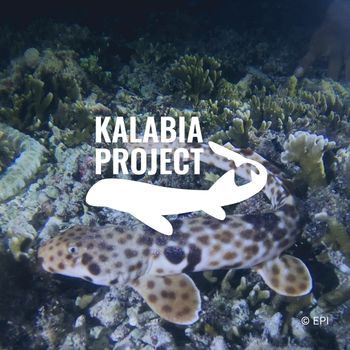
Kalabia Project
Raja Ampat Epaulette Shark Conservation
Dedicated to improving conservation efforts of the endemic Raja Ampat epaulette shark, the program combines targeted research with local community engagement in Raja Ampat Regency.
View DetailsLook closely at what we do
EPI works to create impacts through various initiatives. We work closely with the local coastal community, experts, scientists, students, and the public to further maximize the success rate of our programs.
Citizen Science
How our citizen science network works

Observation
Anyone can spot elasmobranchs (sharks, rays and skates, or chimaeras) while doing their activities

Documentation
Encounter with the elasmobranch species should be documented through a clear photograph and location details

Submission
Everyone is welcome to submit their encounter report to our website, where the data will be sorted and verified

Publication
Verified data will be published on our website, available for research and other purposes
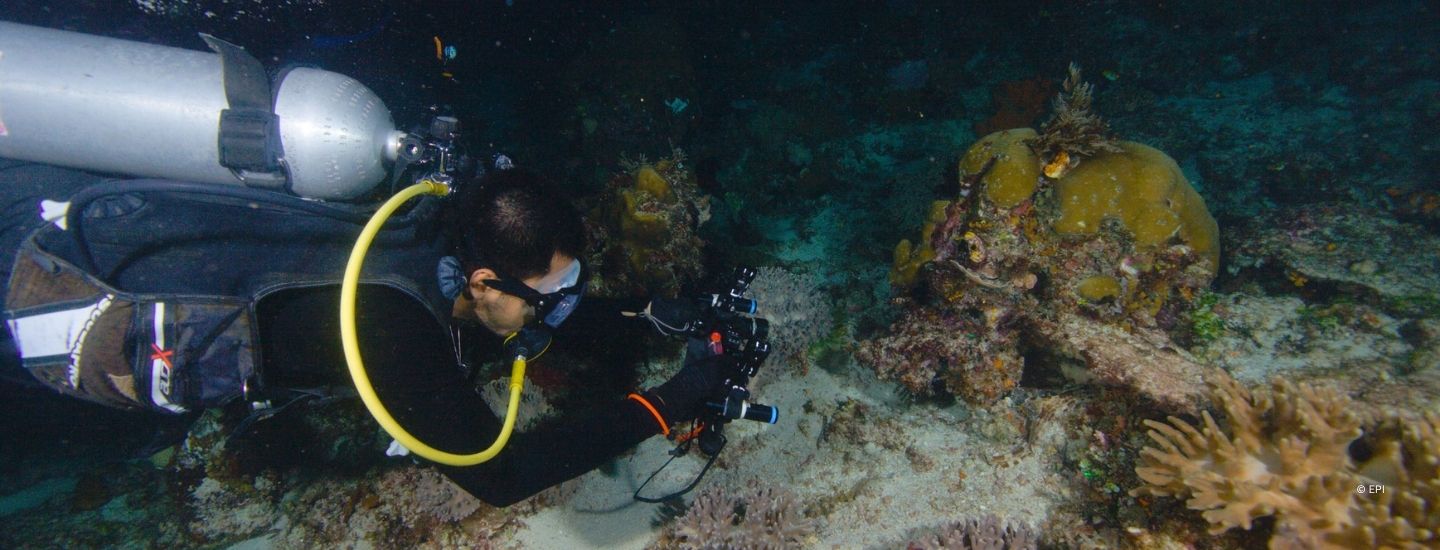
Join our mission
You can take part in our mission to help maintain the balance of our ecosystems. By sharing your observation report, you are supporting our research and conservation programs!