Report Your Encounter
Report your encounter with elasmobranchs and be a part of the citizen science network
How to make a report?

1
Read our report guideline page

2
Prepare the photo and supporting data of your encounter

3
Fill the report form and submit your encounter to EPI

Have you seen an elasmobranch? Report it!
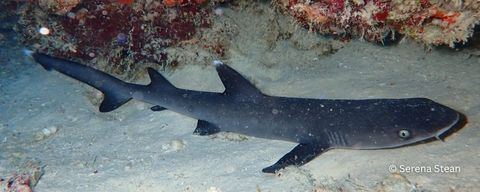
Every encounter with elasmobranchs can be documented and reported, including encounters that occur when you are diving, fishing, or even when you are at a fish market. The elasmobranch group includes sharks, rays, skates, and chimaeras.

Why do you have to report?
By submitting your elasmobranch encounter report, you are contributing to research and conservation of the species as a citizen scientist. Read more about how every report has an important role on our FAQ page.

Report Your Shark or Ray Encounter
By reporting your sightings, you provide the critical evidence needed to secure protections for Indonesia's most vulnerable elasmobranchs.