Rhinorays Project
Advances conservation and research to address the social and ecological challenges facing the critically endangered guitarfish and wedgefish in Karimunjawa National Park, Central Java.
Background
The Critically Endangered Shark-like Rays
Wedgefish and guitarfish belong to the Rhinorays group, a group of rays with shark-like body shapes. These species are classified as Critically Endangered on the IUCN Red List and are listed under Appendix II of CITES.
In Indonesia, Rhinorays are commonly caught as targeted and bycatch in small-scale as well as commercial fisheries, including in the north Java Sea. These catches are often regarded as a jackpot by local fishers due to the high market value. Despite this, Rhinoray populations are believed to have continued to decline.
Karimunjawa National Park (KJNP) is a potential critical habitat and the last stronghold for the species in the north Java Sea.
In interviews conducted by EPI between 2022 and 2023, most fishers and fish buyers around KJNP agreed that Rhinorays have been increasingly rarely seen or caught, showing the possibility that the population size is depleting. This provides strong evidence that management and conservation efforts are urgently needed.
The Rhinorays Project is a research program dedicated to studying Rhinorays and supporting their management, particularly in KJNP. The program combines research with community-driven approaches to balance both the local community’s social and species’ ecological needs.
Through this program, we aim to provide information and science-based management recommendations to support Rhinorays management in Karimunjawa.
Approach
Cross-Disciplinary Research for Community-Based Solutions
Biology and ecology research
Targeted research to study Rhinorays in Karimunjawa, such as their abundance, distribution, and habitat use. The research is conducted using various methods, including the Baited Remote Underwater Video (BRUV) system and the capture-mark-recapture (CMR) method.
Fisheries and trade survey
Landing-based study of Rhinorays and related species in several landing and market sites within Karimunjawa National Park (KJNP) and Jepara Regency to understand the scale of the fisheries and trade chain involving these species.
Community involvement
EPI believes that effective conservation should include the local community. EPI actively engages with the community members to better understand the local wisdom and perspectives on Rhinorays in KJNP. EPI encourages their active participation through various initiatives, including the Fisher Scientist program.
Activities
Research and Conservation Initiatives
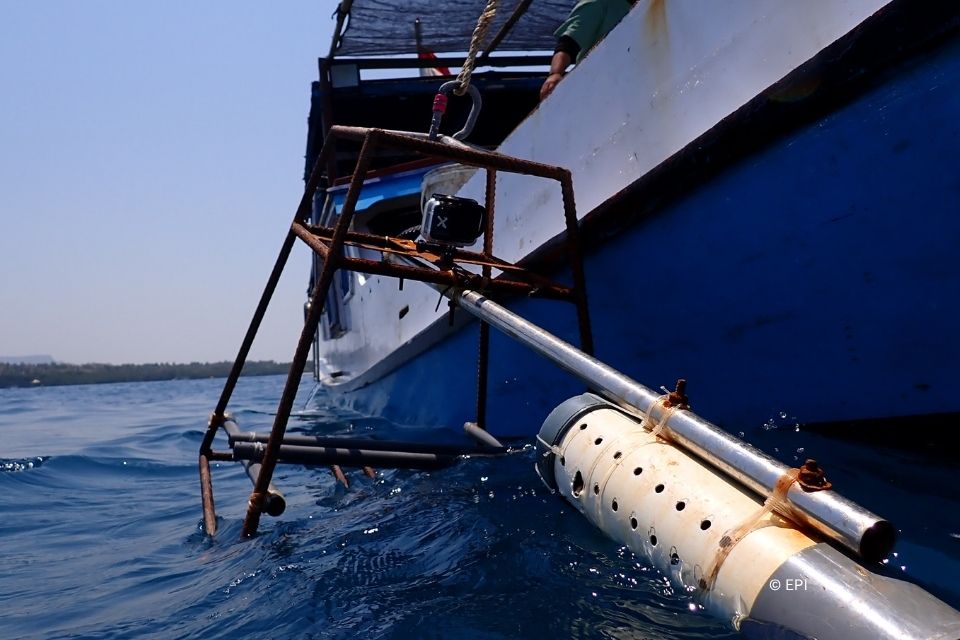
Baited Remote Underwater Video (BRUV)
BRUV is a non-invasive method using an underwater camera system equipped with baits that is deployed on the seafloor to observe Rhinorays and other elasmobranchs.
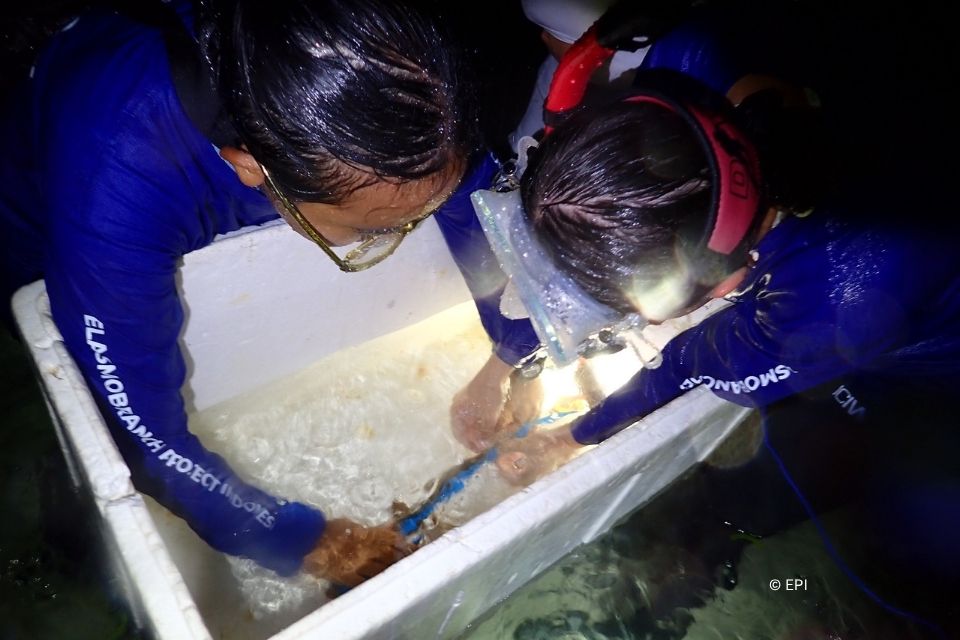
Tagging
Using the capture-mark-recapture approach, we mark small Rhinorays with a specially designed tag bearing a unique identification number to monitor growth and movement.
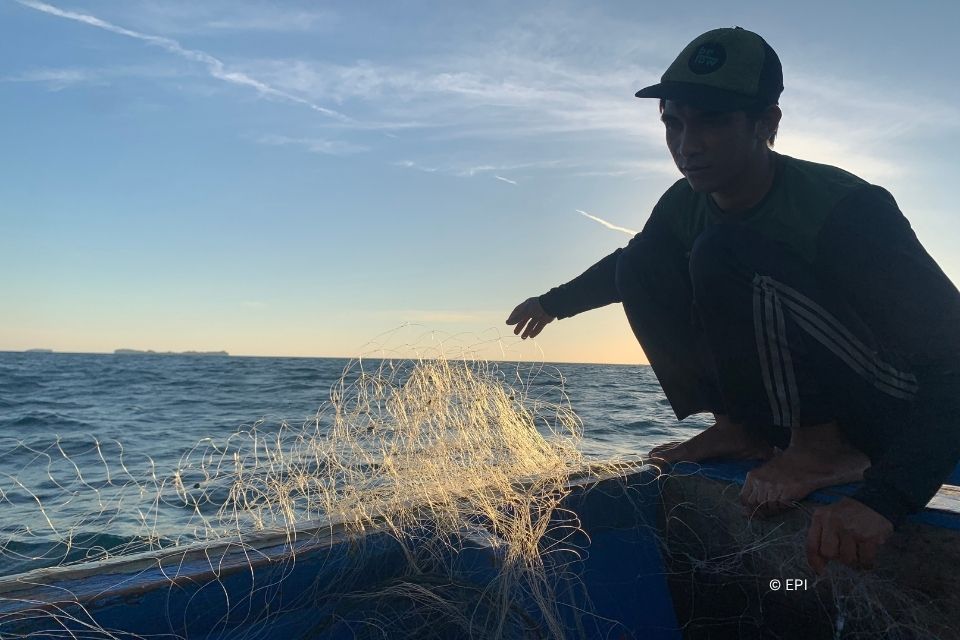
Fisher Scientist
Several local gillnet fishers in Karimunjawa are involved in the research program to tag Rhinorays for identifying important habitats.
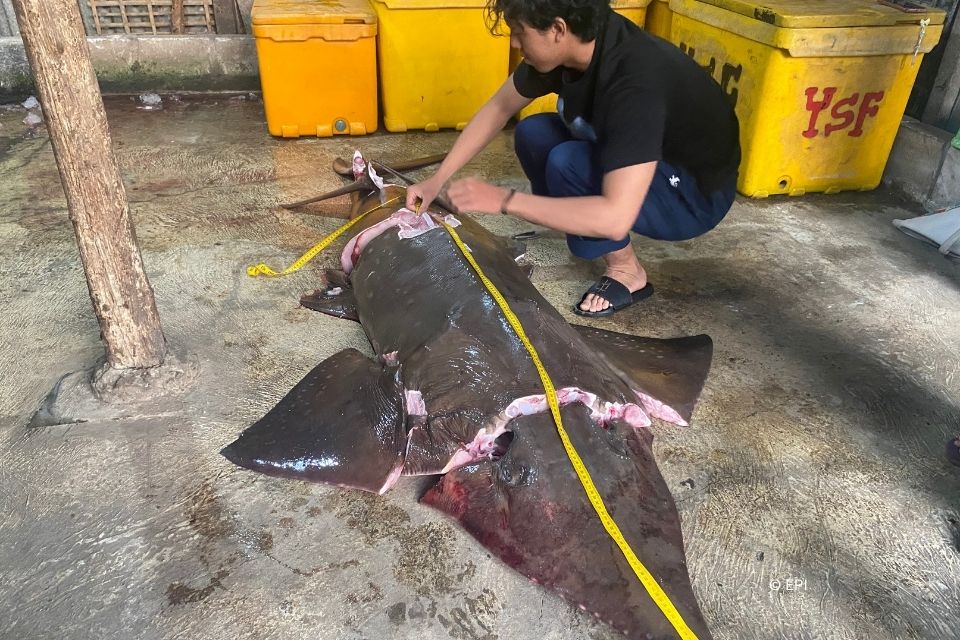
Landing-based study
Survey to observe Rhinorays and other elasmobranchs that have been caught and/or landed. These surveys are carried out regularly at fish markets and fish auction sites in Karimunjawa and Jepara.
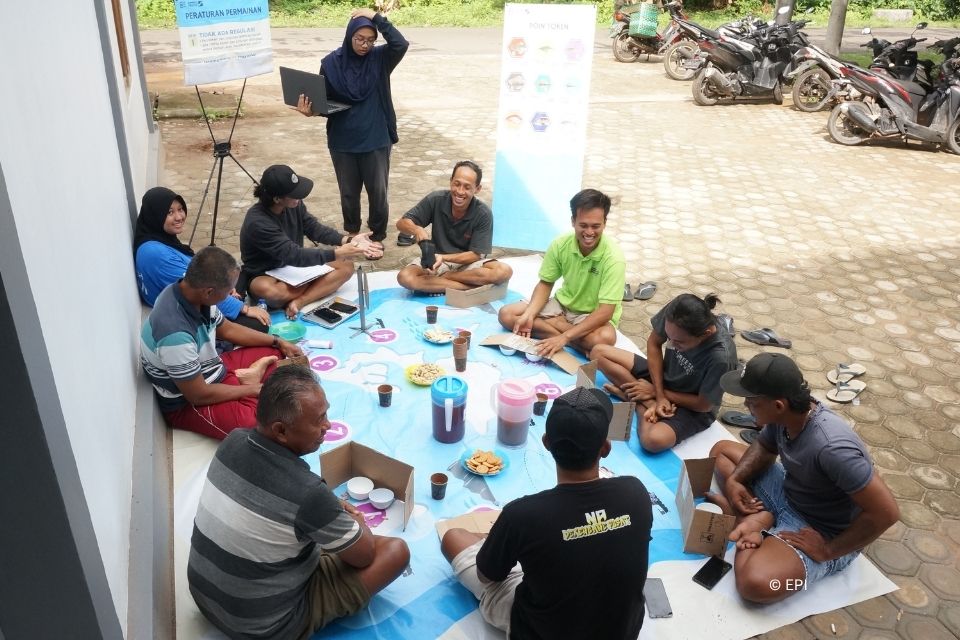
Fishery simulation game
EPI developed a game that depicts the local Rhinoray fishery practice in Karimunjawa. The game was played with local fishers to assess their response to different management scenarios for Rhinorays.
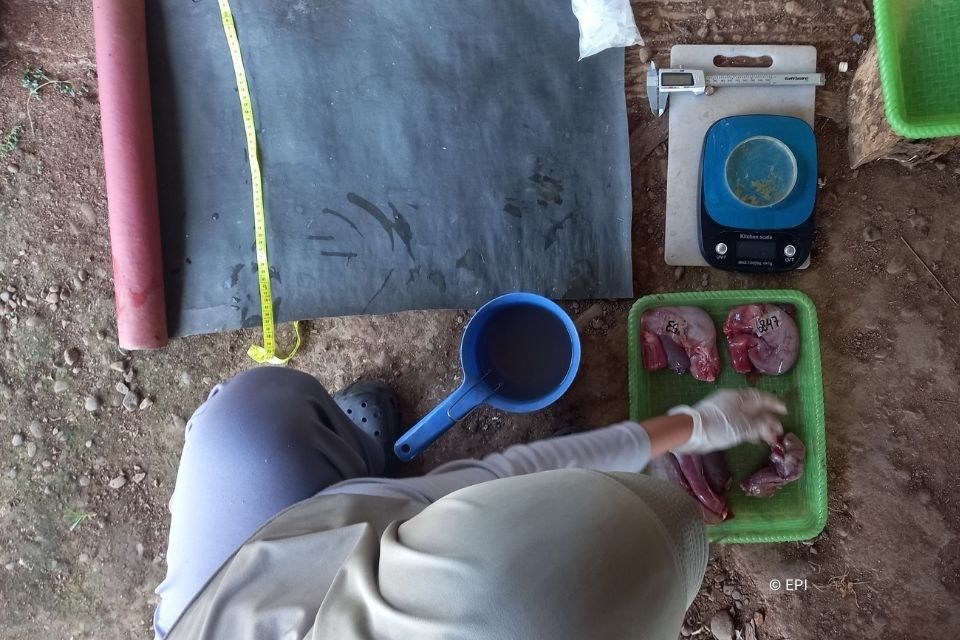
Diet and reproduction study
Collection and analysis of samples collected from captured and landed Rhinorays to understand their biological aspects better.
Related Article
Read Another Article
 Publications
Aug 6, 2026
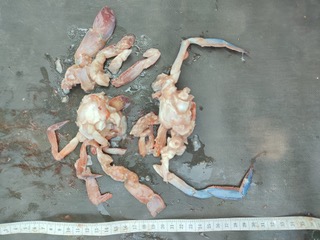
“Love me some shrimp and crabs for dinner, with a side of fish”
Featured on Save our Seas
View Article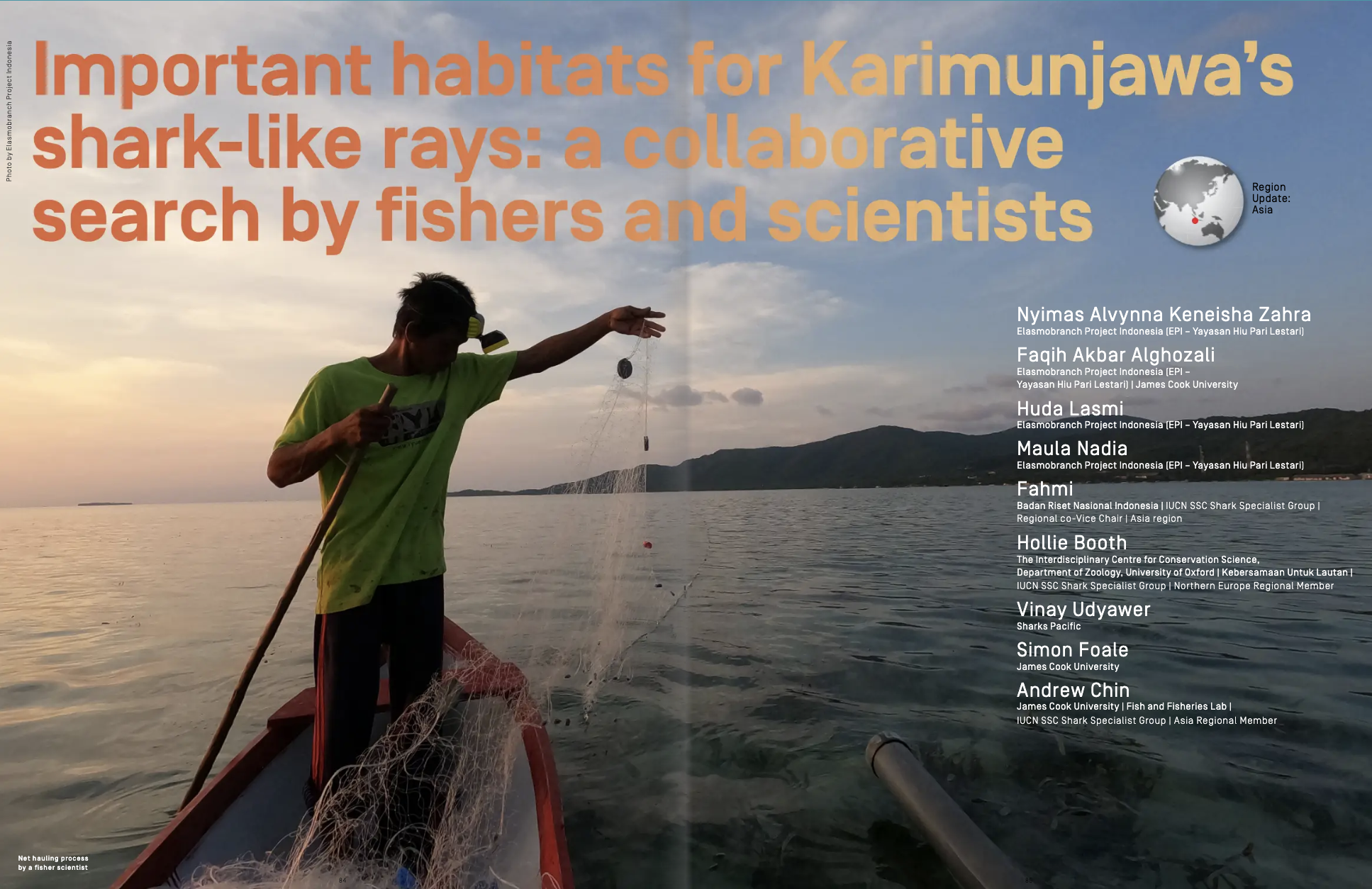 Publications
Aug 6, 2026
Important habitats for Karimunjawa’s shark-like rays: a collaborative search by fishers and scientists
Featured on IUCN Shark News
View Article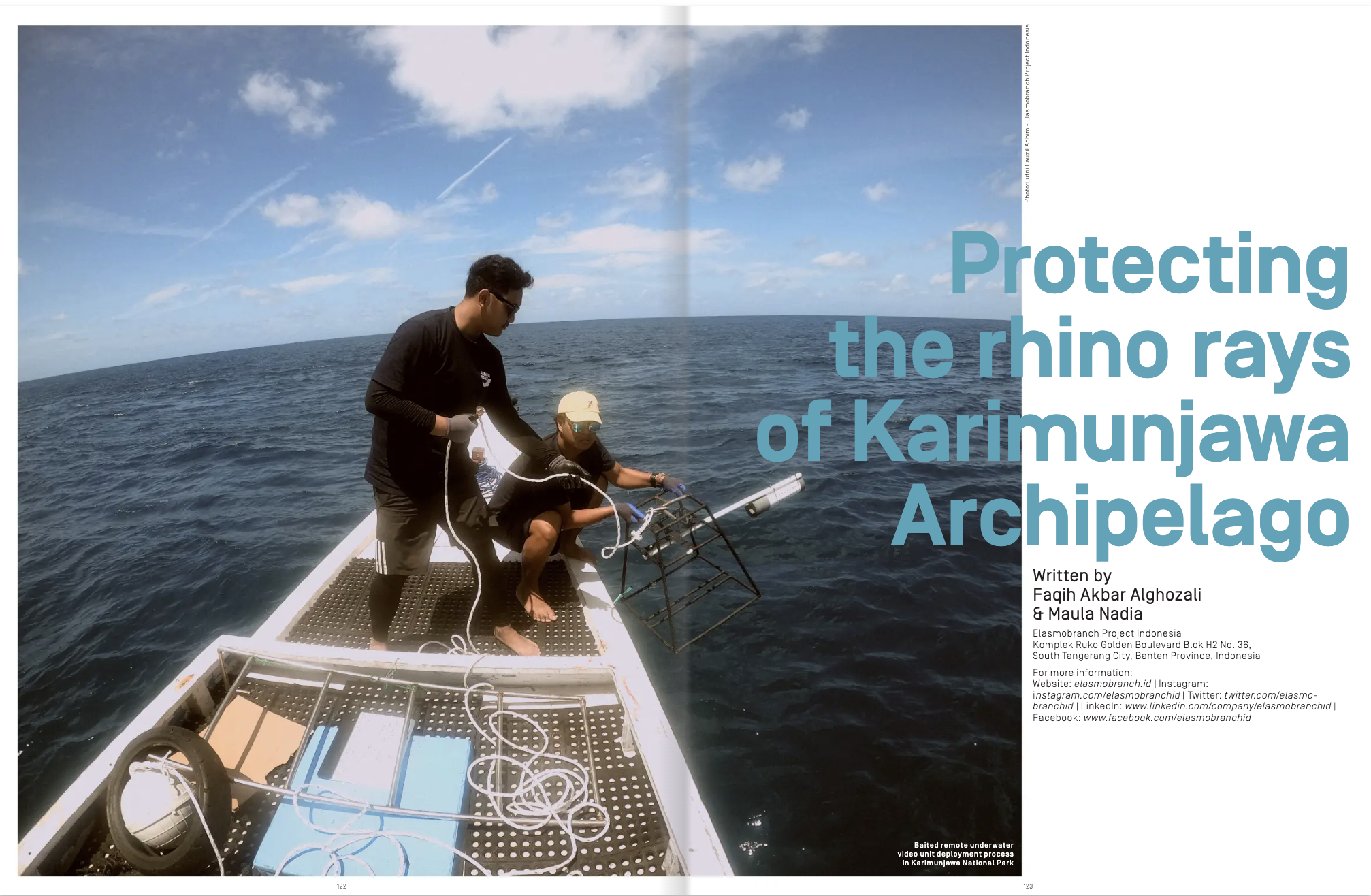 Publications
Aug 6, 2026
Protecting the rhino rays of Karimunjawa Archipelago
Featured on IUCN Shark News
View Article